What Is GSF One
GSF One: Advanced Flame & Spark Detector by GSF Technologies
GSF One is an advanced flame detector designed to detect flames and sparks quickly and reliably. Manufactured by GSF Technologies in Greece, it is a high-performance ultraviolet radiation detector.
- OPERATION
How it Works
Advanced Flame and Spark Detector from GSF Technologies
Flame or Spark Detection

Alarm to Responsible Person
Notifying Additional Parties
Monitoring & Report
- ΜΟΝΑΔΑ GSF ONE
Information
General Operation
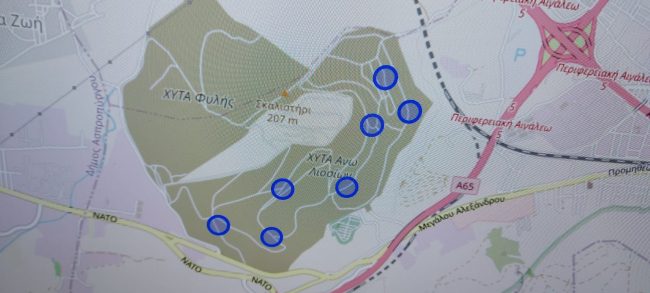
The GSF One detector triggers an alarm only when it detects an actual flame or spark in its coverage area. The alarm is immediately forwarded to a fire safety officer, showing the exact zone where the fire began in real time on a computer or other device. Simultaneously, SMS messages are sent to the mobile phones of responsible persons with the fire’s location, enabling quick response.
The system monitors the fire’s evolution and sends a report once the fire is extinguished.
The Detectors
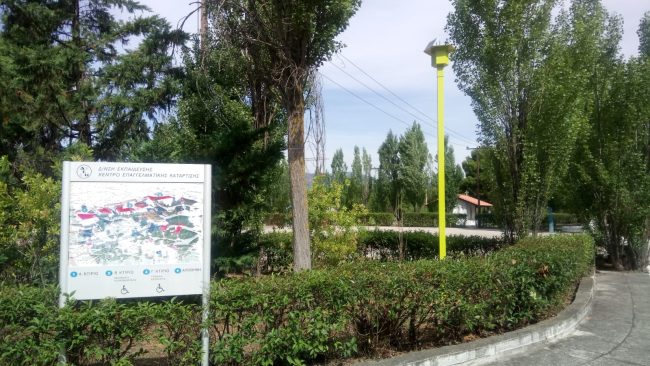
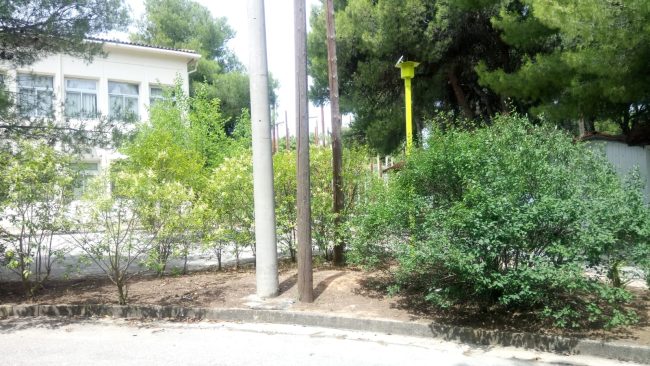
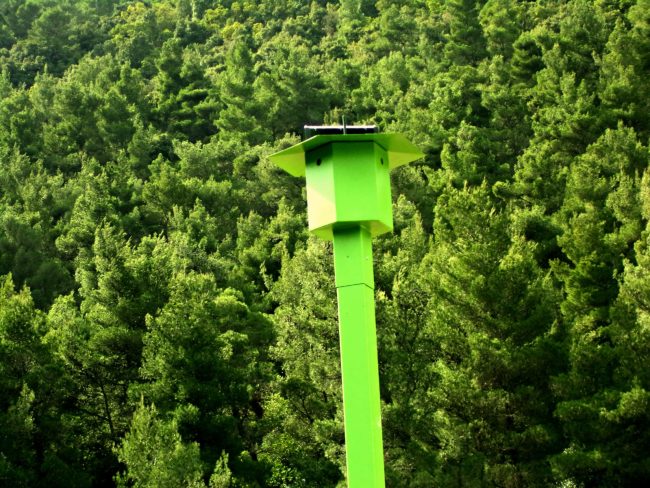
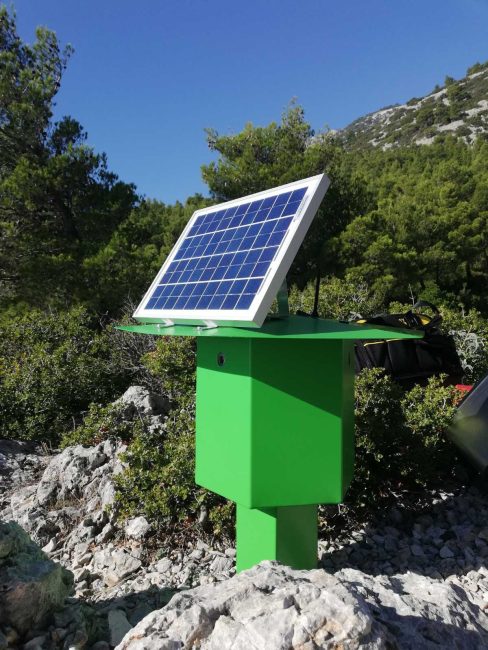
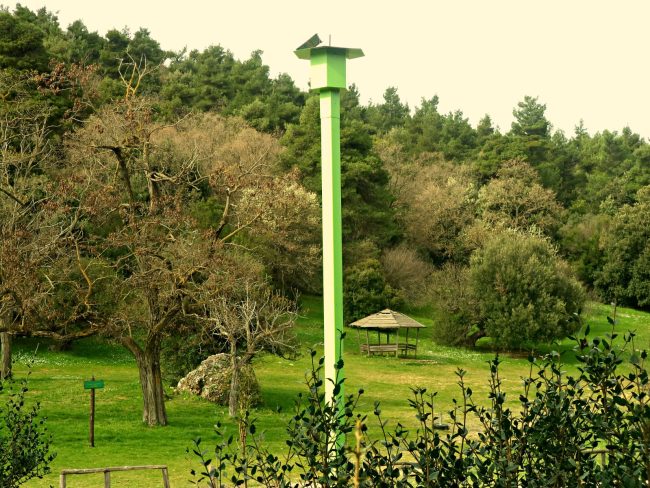
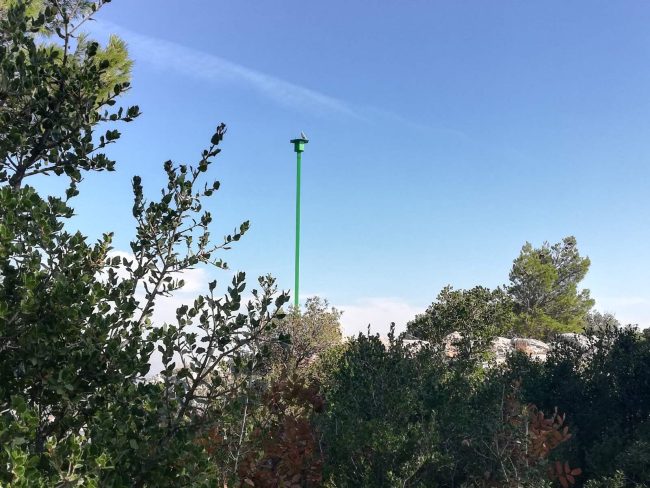
Each detector has a unique identity and can be named, allowing precise localization of the fire’s start point. They are also equipped with an anti-theft system, which detects and reports theft attempts, immediately notifying the signal center.
Maintenance
One of GSF One’s greatest advantages is that it does not require regular maintenance. A daily diagnostic check reports the status of the system and any necessary maintenance. Its construction enables it to withstand adverse weather conditions, operating reliably day and night.
Uninterrupted Guardian
The system is networked and remains reliable even if one detector fails, because the remaining units continue to provide protection. GSF One acts as a vigilant guardian, supplying information about new fire points and protecting human lives and property. Built with safety in mind, it continues to provide data even in smoky conditions and strong winds, aiding fire services in avoiding dangerous situations.
These detectors are designed to prioritize the protection of human life, while also offering a reliable solution for environmental protection.
Applications
GSF One is extremely accurate, making it ideal for a wide variety of fire detection applications. Thanks to its specialized software, it allows customization of the fire alarm according to user needs. Very short-duration detections can be filtered out—regardless of flame intensity—ensuring the alarm is triggered only when necessary.
The detector’s sensitivity and rejection time can be configured during installation, providing flexibility in applying GSF One to various spaces such as:
- Forest areas and parks
- Security systems
- Data centers
- Industrial facilities
- Natural gas installations
- Fuel storage areas
- Engine rooms
- Parking areas
- Tunnels
- Military installations
- Ships and yachts
- Airport facilities
- ΜΟΝΑΔΑ GSF ONE
Ultraviolet Radiation UV
Fire and Spark Detection Technology Based on Ultraviolet (UV) Radiation
Introduction
Fire and spark detection technology plays a critical role in ensuring safety in urban, industrial, and forest environments. The use of ultraviolet (UV) radiation as a detection mechanism provides a highly effective and reliable solution for the early identification of flames and sparks.
This overview presents the basic principles, advantages, and applications of fire and spark detection systems based on UV radiation.
How UV Radiation Detects Fire and Sparks
Fire and sparks emit ultraviolet radiation. UV-based fire and spark detection systems can recognize this radiation in specific wavelength ranges (typically 180 to 280 nm). Because UV radiation is not affected by ambient light or most environmental interferences, it offers a highly reliable method for detecting:
- Open flames: They are created by combustion processes, such as coal, hydrocarbon or hydrogen flames.
- Sparks: Produced during industrial operations such as welding, grinding or electrical discharges
Advantages of UV-Based Fire & Spark Detection
- Minimal Interference: UV detection works independently of smoke, temperature, or visible light, making it ideal for demanding environments.
- Enhanced Safety: Early detection helps prevent fire spread, protecting life, equipment, and infrastructure.
- Cost Efficiency: Prompt intervention reduces the risk of major damage or loss.
- Wide Applicability: Suitable across many industries: forest protection, industrial, energy production, mining, aviation, etc.
Key Considerations for UV Detection Deployment
- System Placement: Sensors should be installed on towers or in strategic positions to maximize coverage.
- Routine Checks: Periodic testing and cleaning help maintain system reliability.
- Integration with Fire Safety Systems: UV detectors can be integrated into suppression systems for automated fire control.
Conclusion
UV-based fire and spark detection technology offers a reliable and cost-effective solution for protecting environments at risk from fires. By leveraging its speed, sensitivity and lack of false alarms, businesses can enhance safety, reduce risk and ensure business continuity. Whether in industrial facilities or critical infrastructure, UV detection systems are a key component of modern fire prevention strategies.
Main Characteristics of UV Fire & Spark Detection Systems
Fast Response Time
Sensors detect flames or sparks in milliseconds, enabling quick action.
High Sensitivity
Able to detect even small flames or weak sparks, ensuring complete protection over distances from centimeters to kilometers.
Low False Alarm Rate
UV-based detectors are immune to false alarms caused by visible or infrared light sources like sunlight, fluorescent lighting or thermal emissions.
Durability & Reliability
Designed to endure harsh industrial environments, often housed in waterproof or fireproof enclosures.
Τechnical Specifications Table
|
Component
|
Technical Specifications
|
|---|---|
|
FIRE ONE Flame Detector
|
Operating voltage: 3.6 V DC
Standby consumption: 1.5 mA Flame detection consumption: 39 mA Alarm consumption: 152 mA Sensitivity: 5,000 measurements per minute Background noise: 10 measurements per minute Temperature range: –10 °C to +50 °C Field of view (flame): 160° Protection rating: IP65 |
|
Controller / Signal Management
|
Operating voltage: 6 V DC
Standby consumption: 8 mA Operating consumption: 247 mA Temperature range: –20 °C to +80 °C Protection rating: IP65 |
|
GPRS Signal Transmitter
|
Power class: 4 (2W)
Frequency: 850/900 MHz (Class 2 = 1W at 1800/1900 MHz) Antenna gain: < 3 dBi, impedance 50 Ω Input power: 3.6 V DC nominal Standby consumption: 1 mA Transmission consumption: 450 mA Transmission protocols: GPRS / GSM Encryption: 128-bit (MD5 & RC4) or 256-bit (AES) Protocol support: SMS 8-bit (ISO/IEC 8859-1) or 16-bit (UCS2 ISO/IEC 10646) Operating temperature: –20 °C to +80 °C Humidity: 5–90% |
|
Solar Panel
|
Nominal Power: 20 W
Tolerance: 0 to +5% Nominal Voltage (Vm): 18 V Nominal Current (Im): 1.12 A Open-circuit voltage (Voc): 21.6 V Short-circuit current (Isc): 1.17 A Weight: 1.7 kg |
|
Battery / Power Management
|
Battery: YUASA
Voltage: 6 V Capacity: 7 Ah Cycle life: over 260 full cycles Weight: 1.05 kg Charge Controller: Max charge Current: 2 A Voltage: 12–24 V Protections: overcharge, overdischarge, reverse connection, load short-circuit, solar panel reverse current, overvoltage from panel |
|
Battery
|
Battery: YUASA
Voltage: 6 V Capacity: 7 Ah Cycle life: over 260 full cycles Weight: 1.05 kg |
|
Anti-theft Station System
|
Operating voltage: 3.6 V DC
Standby consumption: 1 mA Alarm consumption: 55 mA Sensitivity: 7 levels Temperature range: –10 °C to +80 °C Includes station head detection capability Protection rating: IP65 |
- GSF One - ΙΔΑΝΙΚΗ ΛΥΣΗ ΠΥΡΑΝΙΧΝΕΥΣΗΣ
Applications
GSF One is extremely accurate, making it ideal for many fire detection applications. Thanks to its specialized software, it allows the fire alarm to be customized to the user’s needs. We can filter out short-duration detections, regardless of flame intensity, ensuring the alarm is triggered only when necessary.
The detector’s rejection time and sensitivity settings are easily configured during installation, offering flexibility in applying GSF One in various environments, such as:
Forests and Agricultural Areas
UV detection systems monitor areas 24/7/365 and, in the event of a fire—regardless of weather conditions—provide immediate alerts upon detection of sparks or open flames. Due to their high sensitivity, these systems are capable of covering areas on the scale of several square kilometers.
Industrial Facilities
UV detection systems monitor areas where sparks or open flames may be generated, such as factories, welding zones, and chemical storage facilities.
Energy Production
In power generation facilities, especially those using flammable materials such as natural gas or coal, UV detectors provide an additional level of protection.
Aircraft Hangars
Airports and aircraft hangars use UV technology for rapid fire detection, enhancing aviation safety.
Warehouses and Storage Areas
In environments where flammable materials are stored, UV detection ensures rapid identification and containment of fire incidents.
- GSF One – The Ideal Fire Detection Solution
Multimedia / Case Studies



Contact
We are always here to answer any questions or concerns you may have!GSF One Unit
- Manolis Kefalogiannis
- manolis.kefalogiannis@alphasupreme.org
- +30 69 4590 4580
- Perikleous 16, 19400 Koropi, Athens